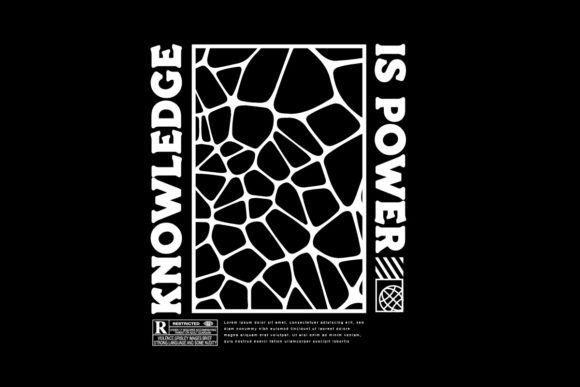
Urban Streetwear Graphic Tee Templates: Design Assets for Modern Brands
The Visual Language of Urban Streetwear
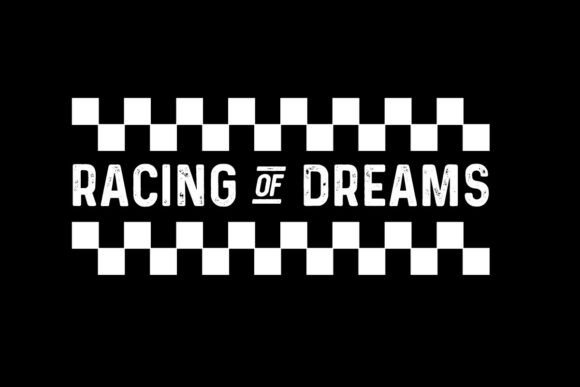
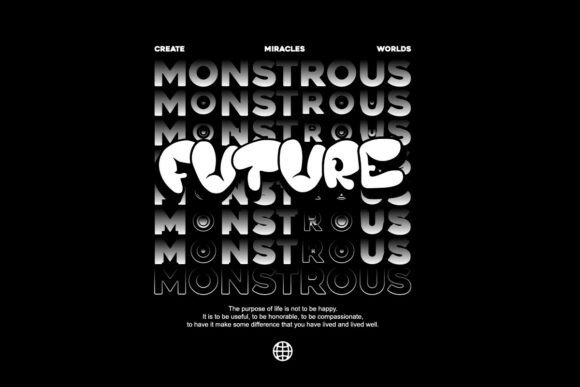
Urban streetwear graphic tee templates represent more than just t-shirt designs; they capture a specific cultural aesthetic. This collection focuses on bold, often intricate graphics that blend elements of graffiti, urban architecture, music influences, and contemporary art. The visual personality is raw yet polished, edgy but wearable. Think high-contrast imagery, detailed line work, and compositions that command attention from across the room. These aren't subtle background patterns. They are statement pieces designed to be the focal point of a garment.
The appeal lies in their authenticity and versatility. A well-executed streetwear graphic can convey rebellion, creativity, community, or individuality without a single word. The style often mixes typography with illustrative elements, creating a layered visual experience. For designers and brand owners, these templates provide a foundation built on current trends while allowing for significant customization to match a specific brand voice.
Practical Applications Across Projects
The primary use case is, of course, custom apparel. These vector templates are engineered for high-quality printing methods like DTG (Direct-to-Garment) and sublimation. The 100% vector source files in EPS format mean you can scale a design to fit a small chest pocket print or an oversized back graphic without any pixelation or loss of quality. This scalability is crucial for merchandise lines that might include everything from beanies to hoodies.
Beyond clothing, these designs excel in broader branding and marketing contexts. A streetwear graphic can become the core of a brand identity, influencing logo design, social media graphics, and packaging design. Imagine using a modified element from a template as a recurring visual motif on website headers, email newsletters, or promotional posters. The gritty, authentic texture works exceptionally well for brands in music, skateboarding, urban sports, beverage industries, and creative services targeting a youth or young adult demographic.
For content creators and publishers, these assets offer a quick way to produce engaging visual content. A blogger covering street culture can use a customized graphic for featured images or podcast cover art. A small business owner can create limited-edition merchandise without the high cost of commissioning a completely custom illustration from scratch. The included high-resolution JPG files are perfect for mockups and digital presentations.
Maximizing Impact and Readability
When working with complex graphic templates, visual hierarchy becomes paramount. The design itself guides the viewer's eye, but your implementation choices—placement on the garment, color of the fabric, and scale—will determine its ultimate impact and readability. A highly detailed graphic might get lost on a busy patterned background, but it will pop on a solid black or white tee. Testing color combinations is essential; sometimes inverting the graphic or changing its color scheme can better align with your brand palette while maintaining legibility.
Consistency is another key benefit. Using a cohesive set of templates from a single collection ensures your merchandise line or branded materials have a unified look. This strengthens brand recognition and professional perception. A customer should be able to identify your products by their visual style alone, much like recognizing a particular typeface or design approach.
Pairing these graphics with the right typography for any added text is critical. The bold nature of streetwear graphics often pairs well with clean, simple sans-serif fonts for slogans or brand names. This creates a clear font pairing where the illustration is the star, and the text provides supporting information without competing. Avoid overly decorative script or handwritten fonts that could clash with the graphic's complexity and reduce readability at smaller sizes.
Evaluating and Implementing Your Assets
Before diving into a project, evaluate the template's fit. Does its mood align with your target audience's aspirations? Does its complexity suit the printing method you plan to use? For screen printing, extremely fine lines might pose challenges, whereas sublimation handles detail beautifully. Always request or create a test print to check how gradients and fine details reproduce on your chosen fabric.
The included vector files (EPS) are your most valuable resource. Using vector graphics software like Adobe Illustrator or Affinity Designer, you have full control. You can easily edit the template: change colors to match your brand guidelines, remove elements that don't fit, or add custom text. This transforms a generic template into a unique asset for your brand identity. This process of customization is what separates generic merchandise from a curated product line.
Remember, these are design assets, not finished products. Their value is realized through your creative direction. Use them as a starting point for a limited collection, a seasonal drop, or a permanent part of your brand's visual language. The ZIP file contains everything you need to begin, but the success of the final product depends on how thoughtfully you integrate these graphics into your broader creative and commercial strategy. Always ensure you understand the commercial licensing terms to use the designs legally for your intended projects, whether for personal use, client work, or direct merchandise sales.